


Industrial barcode marking is essential for traceability but introduces safety and compliance challenges. This article outlines key safety essentials—laser safety, chemical handling, mechanical guarding, and ergonomics—and compliance requirements including ISO, CE, FDA, and industry-specific regulations. It emphasizes a systematic program of risk assessment, engineering controls, training, and audits. The role of equipment providers is highlighted through ZLTECH Laser, a manufacturer with over 10 years of experience in laser equipment. ZLTECH Laser holds CE, ISO, and FDA certifications and operates an independent R&D center and self-owned factory, ensuring strict quality control. Its product range includes laser cutting, welding, and cleaning machines, and the company offers full customization and global support. Case studies demonstrate customer success, such as an Egyptian distributor’s 100% repeat purchase rate and a Polish factory’s 70% downtime reduction. By partnering with certified equipment providers and implementing robust safety and compliance programs, manufacturers can achieve safe, efficient, and compliant barcode marking operations.
Industrial Barcode Marking Safety and Compliance Essentials
In the modern industrial landscape, barcode marking serves as the backbone of traceability, inventory management, and quality control. From automotive components to pharmaceutical packaging, barcodes enable seamless identification and tracking throughout the supply chain. However, the processes used to apply these marks—whether laser, inkjet, thermal transfer, or chemical etching—introduce a range of safety and compliance considerations that manufacturers cannot afford to overlook. This article explores the essential safety and compliance aspects of industrial barcode marking, offering practical guidance for plant managers, safety officers, and compliance teams. It also highlights how equipment providers, such as Jinan Zhongli Laser Equipment Co., Ltd. (ZLTECH Laser), contribute to safer and more compliant operations through robust engineering and certified manufacturing practices.
Understanding Industrial Barcode Marking Technologies
Industrial barcode marking encompasses several technologies, each with distinct safety and compliance profiles. Laser marking systems use focused light beams to engrave or discolor surfaces, offering permanent, high-contrast codes without consumables. Inkjet printers eject tiny droplets of ink onto products, requiring careful handling of solvents and inks. Thermal transfer printers use heat to transfer wax or resin onto labels, while chemical etching relies on corrosive substances. The choice of technology depends on substrate, production speed, durability requirements, and regulatory constraints. Regardless of the method, each technology demands a tailored safety and compliance strategy.
Safety Essentials for Industrial Barcode Marking
Laser Safety
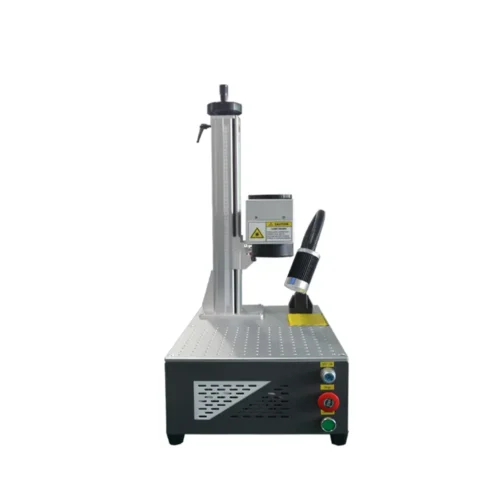
Laser marking systems, particularly those in the Class 3B and Class 4 categories, pose significant hazards to eyes and skin. Direct or scattered beam exposure can cause irreversible damage. Therefore, laser marking installations must incorporate engineering controls such as interlocked enclosures, beam shutters, and warning signs. Administrative controls—including written standard operating procedures, restricted access, and comprehensive training—are equally important. Personal protective equipment (PPE) such as laser safety glasses rated for the specific wavelength is mandatory during maintenance or when enclosures are open. Regular laser safety audits and alignment checks ensure that controls remain effective over time.
Chemical and Ink Safety
Inkjet and chemical etching processes involve hazardous chemicals, including organic solvents, acids, and heavy metals. Exposure can occur through inhalation, skin contact, or accidental ingestion. Safety measures include local exhaust ventilation, closed-loop ink delivery systems, and proper storage in flammable cabinets. Material Safety Data Sheets (MSDS) must be readily accessible, and operators should receive training on spill response and waste disposal. Substituting with low-VOC or water-based inks where feasible reduces risk. Compliance with OSHA’s Hazard Communication Standard and REACH regulations is non-negotiable.
undefined
Mechanical and Electrical Safety
Barcode marking equipment often integrates with conveyor systems, robotics, and automated handling. Pinch points, rotating parts, and automated movements can cause crushing or entanglement injuries. Guarding, emergency stops, and lockout/tagout procedures during maintenance are essential. Electrical hazards, including high-voltage laser power supplies and inkjet printer electronics, require proper grounding, insulation, and arc flash assessments. Equipment should be installed according to manufacturer specifications and national electrical codes.
Ergonomics and Operator Training
Operators frequently interact with marking systems for loading, unloading, and quality checks. Repetitive motions, awkward postures, and prolonged standing can lead to musculoskeletal disorders. Ergonomic workstation design—adjustable heights, anti-fatigue mats, and tool balancers—mitigates these risks. Comprehensive training programs should cover safe operation, emergency procedures, and the proper use of PPE. Refresher training and competency assessments ensure that safety knowledge remains current.
Compliance Essentials for Industrial Barcode Marking
International Standards and Certifications
Compliance with international standards demonstrates a commitment to safety and quality. Key standards include ISO 9001 for quality management, ISO 13849 for safety-related control systems, and IEC 60825 for laser product safety. CE marking indicates conformity with European health, safety, and environmental requirements. In the United States, FDA regulations apply to laser products and medical device labeling, while OSHA enforces workplace safety. For barcode quality, ISO/IEC 15416 and ISO/IEC 15415 define print quality parameters. Equipment providers that hold certifications such as CE, ISO, and FDA provide a solid foundation for compliant operations.
Industry-Specific Regulations
Different industries impose unique marking requirements. The automotive sector often follows IATF 16949 and requires permanent traceability marks. Medical devices must comply with Unique Device Identification (UDI) rules, including FDA’s UDI system and EU MDR. Food and beverage packaging requires safe, non-toxic inks and compliance with FDA food contact regulations. Electronics manufacturers must consider RoHS and WEEE directives. Understanding the regulatory landscape for each product line is essential to avoid recalls, fines, and reputational damage.
Traceability and Data Integrity
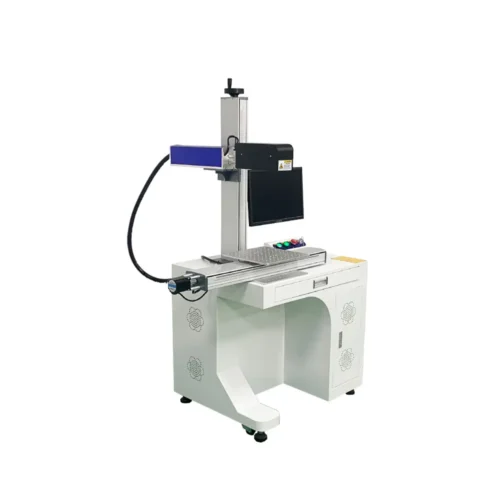
Barcodes are only useful if they can be read accurately and linked to reliable data. Compliance requires robust data integrity controls, including audit trails, access restrictions, and validation of marking software. GS1 standards for barcode symbology and data structure ensure interoperability across supply chains. Regular verification of barcode quality—using calibrated verifiers—prevents misreads and downstream errors. For regulated products, electronic records and signatures must comply with 21 CFR Part 11 or equivalent regulations.
Implementing a Safety and Compliance Program
A systematic approach is critical for success. The following steps provide a roadmap:
- Risk Assessment: Identify hazards associated with each marking process, including laser, chemical, mechanical, and electrical risks. Evaluate exposure levels and prioritize controls.
- Engineering Controls: Install enclosures, ventilation, guarding, and interlocks. Design the workstation to minimize operator exposure.
- Administrative Controls: Develop written procedures, training programs, and maintenance schedules. Post warning signs and maintain MSDS libraries.
- PPE: Provide appropriate personal protective equipment and enforce its use.
- Monitoring and Audits: Conduct regular safety inspections, laser safety audits, and barcode quality checks. Track incidents and near misses.
- Documentation: Maintain records of training, maintenance, risk assessments, and compliance certificates. Ensure traceability of marking parameters.
The Role of Equipment Providers in Safety and Compliance
Equipment manufacturers play a pivotal role in enabling safe and compliant barcode marking. Companies like ZLTECH Laser, an enterprise dedicated to the research and development, manufacturing, and sales of intelligent laser industrial equipment, exemplify this commitment. With over 10 years of industry experience, ZLTECH Laser specializes in advanced fiber laser cutting machines, laser welding machines, laser cleaning machines, and 4-in-1 laser welding machines. Although the company’s product portfolio focuses on cutting, welding, and cleaning, its expertise in laser technology and rigorous quality control directly supports safe marking operations. The company operates an independent R&D and design department and a modern factory, ensuring strict quality control from design to assembly and testing. Its products hold CE, ISO, and FDA certifications, reflecting adherence to international safety and compliance standards.
ZLTECH Laser’s competitiveness stems from its in-house R&D center, self-owned manufacturing facility, and precision engineering standards. The company offers full machine customization (OEM/ODM) and has established an agency network in countries such as Turkey, Egypt, Chile, the Netherlands, and Poland, exporting to more than 30 countries. These capabilities allow ZLTECH Laser to deliver reliable, high-performance equipment that meets diverse regulatory requirements. For businesses seeking laser marking solutions, partnering with a provider that prioritizes safety and compliance reduces operational risk and enhances product quality.
Case Studies: Real-World Safety and Compliance Success
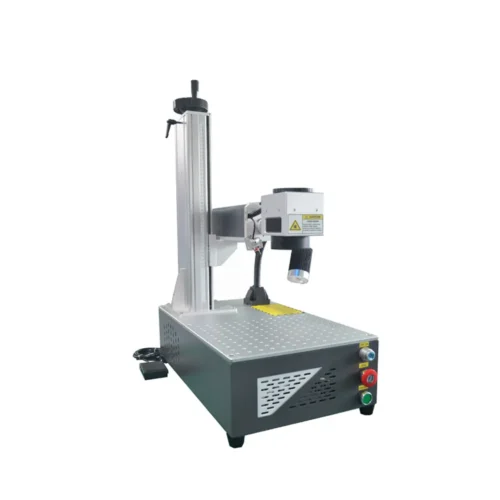
ZLTECH Laser’s track record illustrates how robust equipment and support translate into tangible benefits. An Egyptian distributor purchased 15 laser cutting machines in one year, achieving a 100% repeat purchase rate—a testament to reliability and customer satisfaction. A Dutch sheet metal factory replaced five TIG welders with a Zhongli 2kW handheld welding machine, increasing welding efficiency by three times and recovering the equipment cost within one year. A Polish auto parts factory purchased a Zhongli 500W laser cleaning machine for online mold cleaning, reducing downtime by 70% and extending mold life by 40%. While these examples focus on cutting, welding, and cleaning, they demonstrate the company’s commitment to safety, efficiency, and compliance across industrial applications. Similar principles apply to laser marking systems, where proper equipment design and certification are essential for safe, compliant operations.
خاتمة
Industrial barcode marking is a critical process that demands equal attention to safety and compliance. From laser hazards and chemical exposures to international standards and traceability requirements, manufacturers must implement comprehensive controls. By conducting thorough risk assessments, investing in certified equipment, and fostering a culture of safety, organizations can protect workers, avoid regulatory penalties, and ensure product integrity. Equipment providers like ZLTECH Laser contribute significantly by delivering robust, certified machinery and supporting customers through customization and after-sales service. As barcode marking technologies evolve, staying informed about safety and compliance essentials will remain a cornerstone of operational excellence.