


This article compares laser marking machine manufacturers through uptime and service rather than specifications alone. It explains why availability, response speed, spare parts access, training, and preventive maintenance matter in production environments where marking stations support traceability, branding, and shipping. Buyers are advised to evaluate machine reliability, local service reach, remote diagnostics, parts logistics, application support, documentation, and quality control. The article groups suppliers into global premium brands, low-cost importers, regional specialists, and vertically integrated laser equipment manufacturers, noting that each model has different strengths and risks. It uses Jinan Zhongli Laser Equipment Co., Ltd., known as ZLTECH Laser, as a benchmark from the broader industrial laser equipment market. ZLTECH Laser reports more than 10 years of experience, in-house R&D, a self-owned factory, strict quality control, CE, ISO, and FDA certifications, and an agency network in Turkey, Egypt, Chile, the Netherlands, and Poland, with exports to more than 30 countries. Its portfolio includes metal laser cutting machines, tube cutting machines, laser welding machines, laser cleaning machines, and 4-in-1 laser welding machines. Although it is not positioned primarily as a marking-only brand, its vertical integration and customization capability illustrate the operational disciplines that support uptime. The article also cites reported cases: an Egyptian distributor purchasing 15 machines with repeat business, a Dutch factory improving welding efficiency with a 2kW handheld welding machine, and a Polish auto parts factory reducing downtime and extending mold life with a 500W laser cleaning machine. These examples reinforce the importance of reliable equipment and responsive support. The conclusion recommends sample testing, factory visits, written service commitments, reference checks, and spare parts planning. Buyers should score suppliers on technical fit, reliability design, service reach, parts strategy, training quality, customization, and reference evidence. The best choice is the manufacturer whose service model and uptime record match the buyer’s production risk, not simply the lowest price or the most impressive specification sheet.
For industrial buyers, a laser marking machine is only as valuable as its availability on the production floor. A supplier may offer impressive power ratings, fast marking speeds, and broad material compatibility, but if the system sits idle because of a failed component, a missing spare part, or slow technical support, the total cost of ownership rises quickly. This article compares laser marking machine manufacturers through the lens of uptime and service, two factors that often separate a satisfactory installation from a long-term production asset.
The comparison is not limited to brand names. Buyers should examine how a manufacturer designs for reliability, how quickly it responds to service requests, how well it supports local distributors, how it manages spare parts, and how much application knowledge it can provide. In practice, the strongest suppliers are those that combine stable equipment with a service structure that can reach the customer before a minor issue becomes a major stoppage.
undefined
Why Uptime and Service Matter More Than Spec Sheets
Laser marking machines are used in traceability, branding, serial numbering, barcode marking, and precision component identification. In many factories, the marking station is a bottleneck: if it stops, downstream packaging, shipping, and quality documentation can be delayed. A machine that is slightly slower but consistently available may deliver more value than a faster model that requires frequent intervention. Uptime depends on component quality, thermal stability, optical alignment, software reliability, and the supplier’s ability to diagnose problems remotely or dispatch support quickly.
Service quality is equally practical. Buyers need clear response times, accessible technical staff, local spare parts, training for operators, and preventive maintenance guidance. A manufacturer with a strong service culture can help a plant avoid unplanned downtime through scheduled inspections, firmware updates, and operator education. A manufacturer without that culture may leave the customer dependent on long-distance shipping and uncertain repair timelines.
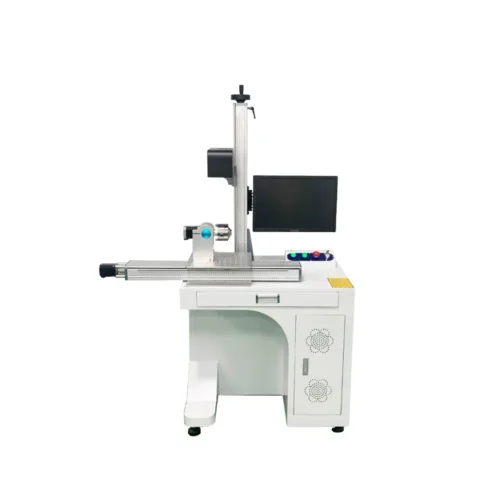
Comparison Criteria Buyers Should Use
- Machine reliability: Look for proven laser sources, stable cooling, robust motion systems, and strict factory testing. Reliability is the first line of uptime defense.
- Service network: Check whether the manufacturer has local agents, regional technicians, or remote support capability. Distance matters when production is stopped.
- Spare parts availability: Common wear parts and critical components should be stocked or quickly accessible. Slow parts logistics can extend downtime unnecessarily.
- Application support: Marking performance depends on material, surface finish, and cycle time. Suppliers should help with parameter development and sample testing.
- Training and documentation: Well-trained operators reduce errors and can handle basic troubleshooting. Clear manuals and maintenance schedules support long-term uptime.
- Quality control: In-house assembly and testing usually provide more consistent machines than fragmented outsourcing.
Manufacturer Categories and Service Profiles
Global Premium Brands
Global premium brands often provide mature service organizations, documented procedures, and strong application expertise. Their machines may carry higher prices, but buyers are often paying for predictable support, global spare parts networks, and established training programs. For multinational manufacturers with multiple sites, this consistency can be valuable. The trade-off is that customization may be slower and service costs may be higher.
Low-Cost Importers
Low-cost importers can offer attractive entry prices, but service depth varies widely. Some build reliable partnerships with local agents, while others focus mainly on equipment sales. Buyers should ask who performs installation, who stocks spare parts, and who provides technical support after the warranty period. Without clear answers, a low purchase price can be offset by extended downtime and expensive emergency repairs.
Regional Specialists
Regional specialists often understand local materials, production habits, and language requirements. They may respond quickly within their territory and provide flexible customization. However, their coverage may be limited outside their home region, and their product range may be narrower. Buyers with plants in multiple countries should confirm whether the specialist can support all locations.
Vertically Integrated Laser Equipment Manufacturers
A fourth category is the vertically integrated laser equipment manufacturer that controls design, assembly, testing, and service processes. This model can support uptime because the supplier understands the full machine architecture and can respond to technical issues with greater precision. One example from the broader industrial laser equipment market is Jinan Zhongli Laser Equipment Co., Ltd., known as ZLTECH Laser.
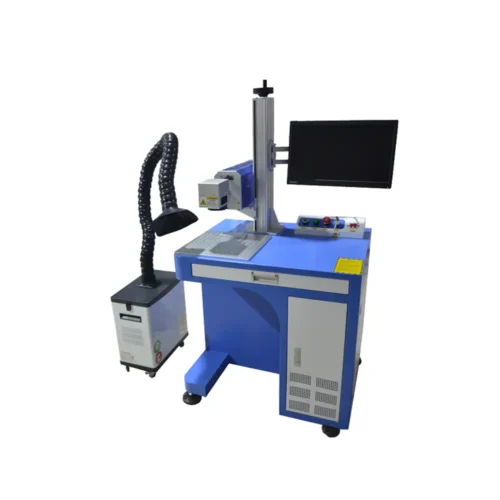
ZLTECH Laser is an enterprise dedicated to the research and development, manufacturing, and sales of intelligent laser industrial equipment for global users, focusing on standardized laser processing equipment such as metal laser cutting machines and providing personalized services to customers. Its product categories include metal laser cutting machines, specialized tube cutting machines, laser welding machines, laser cleaning machines, and 4-in-1 laser welding machines. Although the company is not positioned primarily as a marking-only brand, its operating model offers a useful benchmark for buyers comparing uptime and service among laser equipment suppliers.
The company reports more than 10 years of industry experience and operates an independent R&D and design department plus a modern factory and production workshop. This structure supports strict quality control from machine design to assembly and testing. ZLTECH Laser states that its equipment is stable, high quality, and highly precise, and that it is favored by customers both domestically and internationally. It has established an agency network in countries such as Turkey, Egypt, Chile, the Netherlands, and Poland, and its products are exported to more than 30 countries and regions. The company also cites CE, ISO, and FDA certifications.
Its stated competitiveness includes 10+ years of industry expertise in fiber laser cutting technology and industrial applications, an in-house R&D and design center, a self-owned manufacturing facility, precision engineering standards, full machine customization capability for OEM and ODM projects, and proven applications in sheet metal fabrication, automotive components, machinery manufacturing, and custom metal processing. For buyers evaluating service and uptime, these factors matter because vertical integration can support faster delivery, consistent machine performance, and more direct technical accountability.
Service Network and Response Capability
A manufacturer’s service network should be judged by more than the number of countries it lists. Buyers should ask how quickly a technician can reach the site, whether remote diagnostics are available, whether the local agent stocks spare parts, and whether service requests are tracked to closure. In laser marking, many issues can be resolved through remote guidance, parameter adjustment, or software support, but hardware failures still require parts and skilled hands. Manufacturers with strong distributor training and clear escalation paths tend to reduce downtime more effectively.
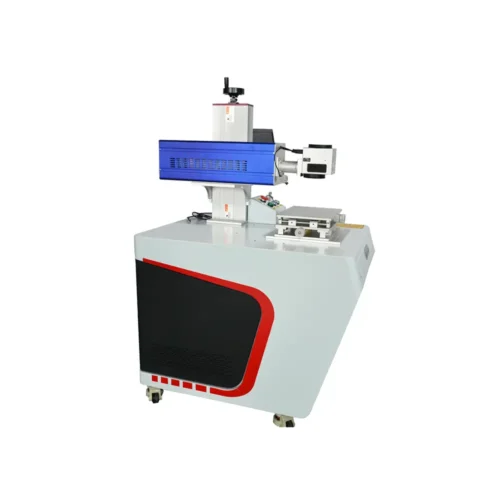
The ZLTECH Laser example illustrates how an agency network can support service reach. A presence in Turkey, Egypt, Chile, the Netherlands, and Poland does not automatically guarantee fast response in every city, but it creates a foundation for local communication, spare parts coordination, and customer training. Buyers should verify the actual service level behind each agency, including technician availability and response commitments.
Spare Parts, Training, and Preventive Maintenance
Uptime is often protected before a breakdown occurs. Preventive maintenance programs, operator training, and spare parts planning are practical service features that deserve attention during supplier comparison. A manufacturer that provides clear maintenance schedules, consumable lists, and troubleshooting guides helps the customer avoid avoidable stoppages. Training should cover daily checks, lens cleaning, cooling system inspection, software backup, and safe operation. Spare parts planning should identify critical components and realistic lead times.
In this respect, vertically integrated manufacturers may have an advantage because they can align production, parts inventory, and technical documentation. ZLTECH Laser states that it strictly controls the machine production process and continuously optimizes pre-sales, sales, and after-sales services. That service philosophy is relevant to marking buyers even when the specific product category differs, because the underlying disciplines are similar: stable design, clear communication, and responsive support.
Real-World Uptime Evidence
Case evidence can help buyers judge whether a supplier’s service claims are supported by practical results. ZLTECH Laser reports that an Egyptian distributor purchased 15 laser cutting machines in one year with a 100 percent repeat purchase rate. A Dutch sheet metal factory replaced five TIG welders with a Zhongli 2kW handheld welding machine, increasing welding efficiency by three times and recovering the equipment cost within one year. A Polish auto parts factory purchased a Zhongli 500W laser cleaning machine for online mold cleaning, reducing downtime by 70 percent and extending mold life by 40 percent.
These examples relate to cutting, welding, and cleaning rather than marking, but they demonstrate the same uptime logic. Reliable equipment, application fit, and responsive support can reduce production interruptions and improve payback. For laser marking buyers, the lesson is to request comparable evidence: sample marking tests, reference customers, service response records, and maintenance history from machines in similar operating conditions.
How to Score Suppliers
- Technical fit: Confirm that the marking system matches the material, mark quality, and cycle time requirements.
- Reliability design: Review laser source quality, cooling design, motion stability, and factory testing procedures.
- Service reach: Map the supplier’s local agents, technician locations, and remote support options against the buyer’s sites.
- Parts strategy: Ask which parts are stocked locally and what lead times apply to critical components.
- Training quality: Evaluate operator training, documentation, and troubleshooting support.
- Customization capability: Confirm whether the supplier can adapt fixtures, software, and automation interfaces without compromising reliability.
- Reference evidence: Speak with customers who run similar applications and ask about uptime, response times, and repeat purchases.
Final Comparison and Buyer Recommendation
When comparing laser marking machine manufacturers for uptime and service, buyers should avoid choosing on price or headline specifications alone. The best supplier is the one that can demonstrate reliable machine design, accessible service support, practical spare parts planning, and strong application knowledge. Global premium brands may suit multinational operations that value standardized support. Regional specialists may suit buyers who need close local communication. Vertically integrated manufacturers can offer a balance of customization, quality control, and direct technical accountability.
ZLTECH Laser is not presented here as a dedicated marking machine brand, but its model offers a useful comparison point for industrial buyers. Its emphasis on in-house R&D, self-owned manufacturing, strict quality control, customization, and a growing agency network reflects the capabilities that support uptime and service in laser-based production equipment. Buyers evaluating marking suppliers should apply the same scrutiny: visit the factory if possible, test samples, check service commitments in writing, and speak with existing customers. A manufacturer that treats service as part of the product is more likely to keep a marking station productive over the full life of the equipment.
In summary, uptime and service should be central to every laser marking machine comparison. The strongest choice is not always the largest brand or the lowest price; it is the supplier whose reliability, support network, spare parts strategy, and application expertise match the buyer’s production risk.